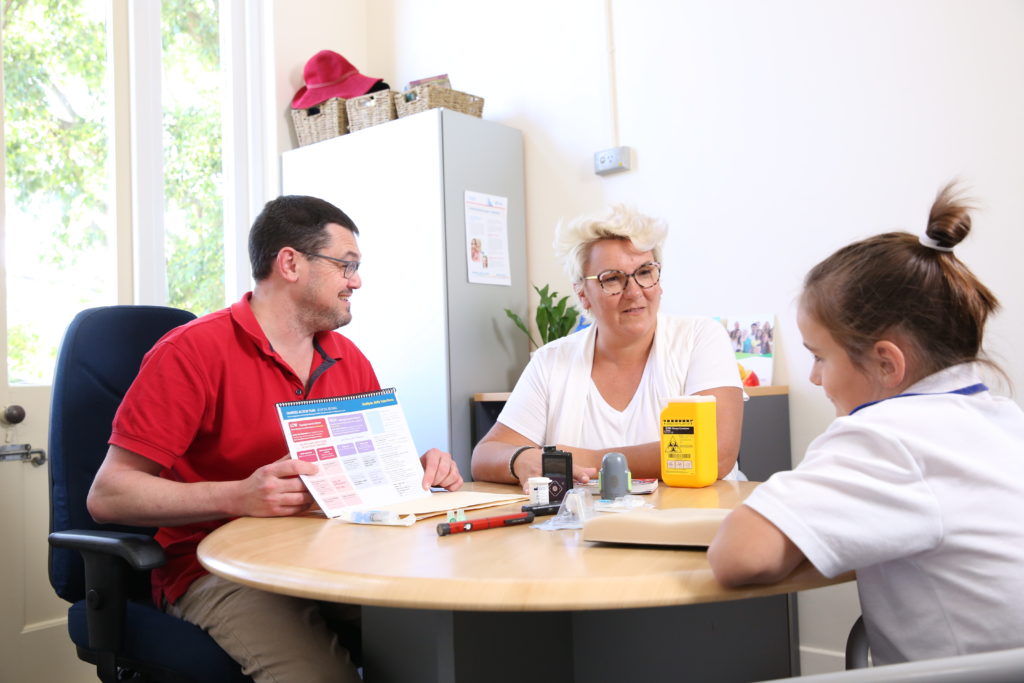


It takes a team to support a student with type 1 diabetes at school. By working together, the school, parents/carers, and the student’s diabetes health professional(s) can enable the student to participate fully in school life.
Key members of a student’s diabetes team
<image>
Watch this video for a quick overview of the key people who support a student with type 1 diabetes and what their roles are.
Role of the student
Students have a responsibility to take an active role in managing their diabetes. They should be encouraged to take part in making decisions about their diabetes management and what support they might need at school.
Key responsibilities of the student
Students who can confidently manage their diabetes on their own should be able to:
- check their glucose levels
- give themselves insulin
- safely use their diabetes equipment and supplies
- safely store their diabetes equipment and supplies when not in use
- safely dispose of their sharps and used supplies.
Students who are not independent in managing their diabetes may need support from school staff with these tasks.
The NDSS Diabetes Youth Zone is an interactive online space for young people living with type 1 diabetes. It provides dedicated information, resources, and support designed to connect with them.

Role of parents or carers
Parents or carers of students with type 1 diabetes have the overall responsibility for their child’s health and wellbeing. They help make key decisions about their child’s diabetes management.
Key responsibilities of a parent or carer
- Ensure the diabetes management plan is up to date, so there is consistency in their child’s diabetes management at school.
- Give the school a copy of your child’s diabetes management plan:
- at the time of your child’s diagnosis
- if your child is starting at a new school
- at the beginning of a school year
- any time your child’s diabetes management changes. Note, the diabetes management plan must be updated by your child’s health professional(s) if their diabetes management changes.
- Regularly communicate with the school and keep them updated about your child’s diabetes management and any changes (including updates to their physical or emotional health and diabetes management plan).
- Support the school in providing care for your child such as labelling your child’s food with carbohydrate amounts to help with insulin dosing at lunch.
- Give consent so the school can support your child’s diabetes needs for reasonable adjustments, diabetes management, Level 3 Diabetes in Schools training, and to share information between the school and your child’s diabetes health professional(s).
- Make sure your child has their diabetes supplies and hypo kit with them at school each day (see the parent/carer checklist in the resource section below). You should also provide the school with backup diabetes equipment and supplies to ensure your child always has access to what they need.
Ensure your child’s diabetes management plan is up to date.
If your child’s diabetes management changes, talk to your child’s diabetes health professional(s) about updating the plan. It is important the school has up-to-date information so there is a shared understanding and consistency in your child’s diabetes management.
For parents and carers
- Communicating with the school
- Diabetes management plans
- About type 1 diabetes
- Training program FAQs
- Reasonable adjustments
- Consent laws
Visit our resource library for more guides and checklists to help you support your child with type 1 diabetes at school.

Role of the school principal
Schools have a legal obligation to ensure a student does not experience discrimination because of their type 1 diabetes. They must follow the laws regarding medication, consent and duty of care for the student.
The school principal is ultimately responsible for ensuring the school provides appropriate support to the student so they are safe and can participate fully in school activities. The principal is also responsible for appointing designated staff as a key support in the day-to-day diabetes care for the student.
Key responsibilities of the school principal
There are five key principles that can guide school principals to ensure they meet their legal responsibilities.
- Understanding the law and creating a supportive environment: Principals play a key role in creating a supportive school environment. This means helping students fully participate in school life, and making sure staff feel confident and are well-trained to support them.
- Implementing a student’s diabetes management plan: Each student with type 1 diabetes will have an individual diabetes management plan written by their diabetes health professional(s). A principal is responsible for making sure:
- the plan is followed in the school setting in a way that avoids stigma and discrimination for the student
- staff can safely support the student as set out in the plan
- there are processes for managing medications, including receiving medications from parents or students, safe storage on school grounds and proper disposal once used.
- Ensuring that there is access to training and education: The school principal must make sure that all school staff supporting a student with type 1 diabetes are appropriately trained, so they can meet their duty of care obligations. This means ensuring enough designated staff complete the Level 2 Diabetes in Schools training, as well as Level 3 training if required, based on the school’s size and number of students that have type 1 diabetes.
- Effective communication: Principals play a key role in supporting clear and consistent communication between school staff and parents/carers so that everyone understands:
- each other’s roles and responsibilities, including knowing who the designated staff members are
- the diabetes support needs of the student including any changes to their diabetes management plan
- the process for designated staff and parents/carers to share important updates (such as using a communication log during the school day).
- Ensuring consent is documented: Before staff can help manage a student’s diabetes, schools must have written consent. This consent should:
- be included in the student’s diabetes management plan
- clearly state what support has been agreed to and who will provide it
- authorise the sharing of relevant health information with school staff and others involved in the student’s care such as their diabetes health professional(s).
Plan and book staff training well in advance
It is important to book staff training in advance to avoid missing training opportunities. Staff names can be changed on the training blocks once exact staffing requirements are known.
For school principals
- Diabetes in Schools training
- Diabetes management plan
- About type 1 diabetes
- Training program FAQs
- Diabetes Australia Language Statement
- Reasonable adjustments
- Anti-discrimination laws
- Medicines and poisons laws
- Consent laws
- Duty of care
Visit the resource library to access resources for principals supporting a student with type 1 diabetes at their school.
Role of school staff
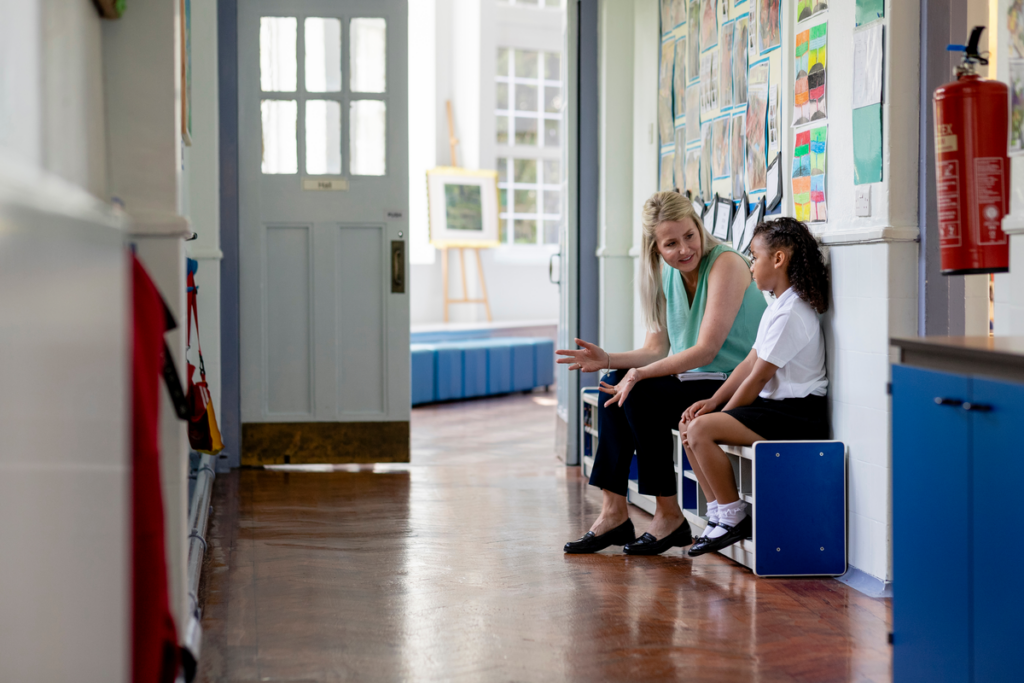
School staff help create a supportive and inclusive learning environment for students with type 1 diabetes. This includes supporting them with their diabetes management and making any agreed reasonable adjustments.
Some staff will take on greater responsibility for supporting these students on a day-to-day basis. These staff are called designated staff.
Key responsibilities of school staff
- Have a basic understanding of type 1 diabetes to be able to recognise the signs of low and high blood glucose levels.
- Understand the student’s diabetes management plan and where it is kept.
- Understand when urgent or emergency assistance is needed and the actions to take.
- Communicate any concerns or questions with principals, parents/carers or designated staff.
- Support reasonable adjustments to help the student fully participate in school activities.
- Know which school staff are designated staff that provide specific support for students with type 1 diabetes.
Diabetes in Schools training for school staff
To help all school staff develop a basic understanding of type 1 diabetes they should complete the Diabetes in Schools training (Level 1).
Role of designated staff
The principal appoints designated staff to support students with type 1 diabetes during the school day and school-related activities such as camps, excursions and sports. This role is usually held by staff who have regular contact with the student.
Designated staff require a higher level of knowledge about type 1 diabetes and its impact on students so they can confidently assist a student with their diabetes management at school.
Schools are encouraged to have multiple designated staff so there is consistent support and enough coverage during absences. The principal decides the number of designated staff based on the school size and number of students with type 1 diabetes.
Key responsibilities of designated staff
- Complete the appropriate training required to be able to confidently implement the student’s diabetes management plan.
- Keep the student safe and support them with their diabetes care at school as outlined in their diabetes management plan such as supporting them to give insulin or treat a low blood glucose level (hypo).
- Understand and support the reasonable adjustments needed for the student, such as changes to routines or schedules.
- As a key point of contact at the school, work closely with the student’s parents/carers and health professional(s) to support the student as outlined in their diabetes management plan.
- Ensure diabetes equipment and medications are stored as per school policy and made available to the student as outlined in their diabetes management plan.
- Stay updated on any changes to the student’s diabetes management.
Diabetes in Schools training for designated school staff
Designated staff should have the diabetes knowledge to safely and confidently support a student with their diabetes management at school. It is recommended designated staff complete Diabetes in Schools training (Level 2, and if required Level 3).
Resources and links for school and designated staff
- Diabetes management plans
- Glucose monitoring
- Sport and physical activity
- Type 1 diabetes and food
- Insulin at school
- School camps and excursions
- School exams
- About type 1 diabetes
- Training program FAQs
- Reasonable adjustments
- Disability standards for education – professional learning
Visit the resource library for guides and checklists to help school staff confidently support a student with type 1 diabetes at school.
Role of diabetes health professional(s)
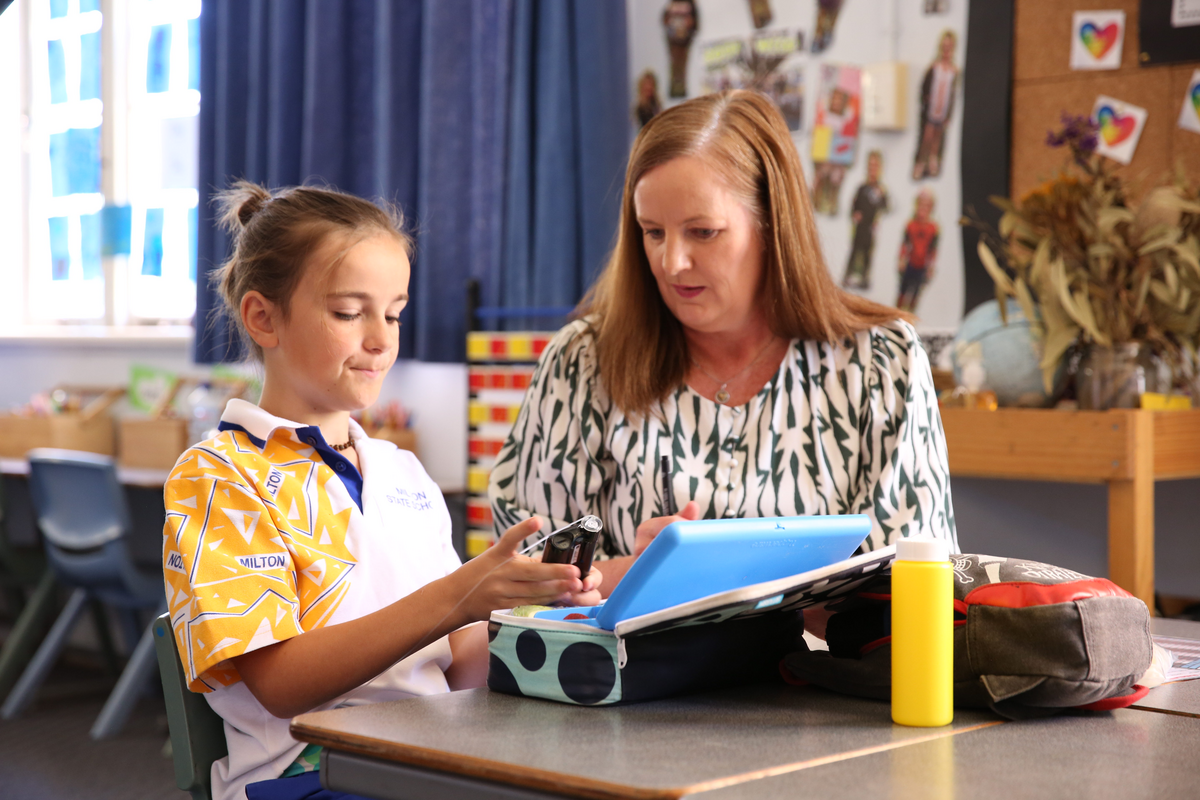
Diabetes health professionals help students, and their parents/carers adjust to and manage type 1 diabetes. They are also a key contact for guidance on managing the student’s diabetes at school.
Key responsibilities of health professionals
- Oversee the student’s diabetes care and medical treatment and make clinical recommendations.
- Develop the diabetes management plan with parents/carers and the student so that it can be easily understood and followed in a school setting.
- Regularly review and update the diabetes management plan so it is accurate for school use.
- Work with parents/carers in developing a plan for camps and excursions that meets the student’s diabetes needs outside school hours.
- Provide guidance or support external training for school staff and parents/carers where needed.
- Support the development of reasonable adjustments where schools require clarification of the student’s diabetes needs at school.
- Use clear communication so that parents/carers have the understanding and confidence to relay key information about their child’s diabetes management to the school.
Tips to make sure diabetes management plans are easy to follow
Schools may find it hard to understand plans where formats vary between different students, details are lacking, or handwritten changes cause confusion on how to implement the plan correctly.
– Use clear, consistent formats.
– Include all relevant details and be explicit.
– Type the entire plan to avoid confusion with handwritten notes.
– If updates are needed, fully update the plan instead of making handwritten changes.
– Review the plan to make sure it is easy to understand and practical.
Find diabetes management plans and information specific to your state.
For health professionals
Health professionals can access a range of resources, tools and guides to help them support a student with type 1 diabetes while at school.